Department
Scholarly Council (Shura)
Qualified Islamic scholarship, published with its reasoning.
About
The Council provides scholarly consultation, Islamic ethics and religious guidance on public questions, and sets governance standards. It keeps independent scholarly authority and a broad consultative structure across the community’s schools and traditions.
Leadership
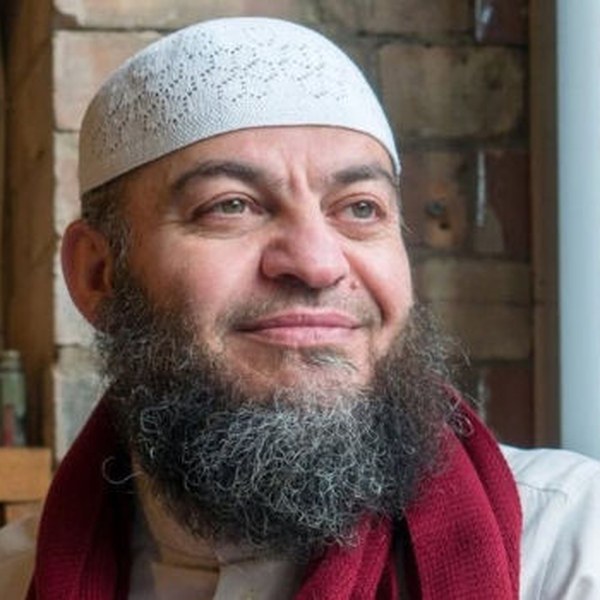
President
Shaykh Dr Haitham al-Haddad is a prominent Islamic scholar, jurist and educator with decades of experience in Islamic scholarship. Holding a PhD from SOAS, University of London, he specialises in Islamic jurisprudence and its contemporary application. He has dedicated his work to educating Muslim communities, developing Islamic leadership and promoting unity within the Ummah.
From the founding prospectus
SHURA COUNCIL — President: Shaykh Dr Haitham al-Haddad
Agreement to lead confirmed.
The religious authority — built for broad representation across the community’s schools and traditions, with seats for scholars and practitioners, women scholars, and a Shia seat. Proper protocol is constitutional: published reasoning, recorded votes, published dissent, declared interests — and a code of conduct with teeth. Attendance is a duty: members who fail to attend, or who persistently abstain, are removed under the code of conduct. A council that shows up, votes, and publishes — the first of its kind. Every major research report carries the Council’s fatwa or proclamation, so evidence and religious judgement reach government and public together.
Functional workstreams
Four areas of responsibility
01
Scholarly Consultation
Considered positions on public questions.
02
Islamic Ethics & Public Responsibility
Ethical guidance for Muslims in public life.
03
Community Governance
Standards for mosques, institutions and leadership.
04
Religious Education & Guidance
Accessible guidance for the wider community.
Protocol
How the Council works
Reasoning, recorded votes and dissent are published. Members declare their interests. Seats span the community’s traditions and include women scholars. Attendance is required under a code of conduct.
Objectives
What we aim to do first
- Constitute the Council
- Publish its protocol and code of conduct
- Publish its first considered positions alongside research reports
Current activity
Work in progress
Activity will be published here as work begins.
Specialist in this field?
Academics, lawyers, community leaders, policymakers and journalists can contribute to this department’s work.